Improving Charger Uptime Through Modular Design and Remote Monitoring
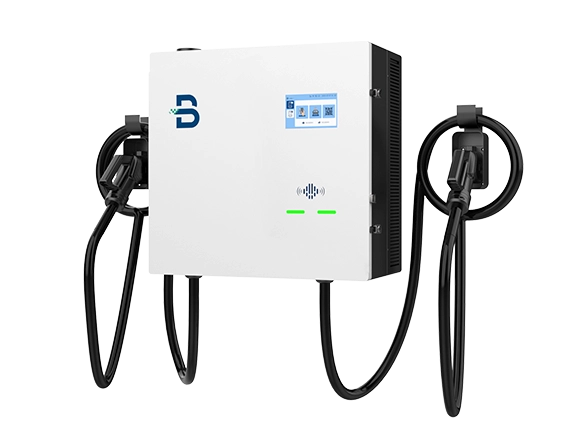
Charger uptime depends on product design, installation quality, monitoring, spare parts, and service response. A percentage in a contract has limited value unless the operator can identify failures quickly and restore service within a defined time. Modular hardware and remote diagnostics can shorten some repairs, but only when the operating process is designed around them.
Define availability in operational terms
Specify how availability is measured. Decide whether a charger counts as available when one connector works, when it can deliver full rated power, or when a driver can complete an ordinary paid session. Exclude planned maintenance only under clear rules. Track failed starts, derating, payment faults, communication loss, and connector-level status rather than relying on a simple online indicator.
Set different priorities for different sites. A fleet depot may focus on departure readiness, while a public operator may focus on successful sessions and energy delivered. The service-level agreement should state monitoring coverage, response time, repair target, escalation, and evidence for closing a fault.
Use modularity where it reduces repair time
Modular power stages can allow a DC charger to continue at reduced output when one module is isolated. Replaceable communications, display, payment, cooling, and connector assemblies may also shorten service. Confirm the smallest field-replaceable unit, technician skill required, safety process, calibration, firmware pairing, and whether a failed module affects the remaining outputs.
Operators comparing service strategies can learn more about the charging range and review the available monitoring, communication, and modular hardware options. The useful question is not how many modules appear in a brochure. It is whether a trained technician can diagnose the fault, obtain the correct part, complete the repair safely, and return the charger to verified service.
Turn remote data into action
Remote monitoring should report connector state, session outcome, alarms, power-module status, temperature, protective events, communications, and firmware version at an appropriate level of detail. Alarm rules need severity, ownership, and an escalation path. Too many unactionable alerts can hide a real failure.
Remote reset can resolve some software and communication conditions, but repeated resets should trigger diagnosis. Store event history and configuration changes so technicians can identify patterns. Coordinate charger logs with backend, payment, network, and site-power records when the fault spans more than one system.
Build the maintenance system before launch
Create a site asset register with model, serial number, firmware, commissioning date, warranty, network identity, drawings, and spare-parts list. Inspect cables, connectors, seals, filters, cooling paths, fasteners, protective devices, labels, and physical damage at intervals suited to the environment and use.
Review performance monthly by fault category, time to detect, time to repair, repeat rate, parts consumption, and energy lost. Use the results to change stocking, training, firmware, or site design. Uptime improves when every fault produces information that changes the maintenance system, not when the same symptom is repeatedly cleared.