What Should You Check Before Ordering Beer Brewing Equipment?
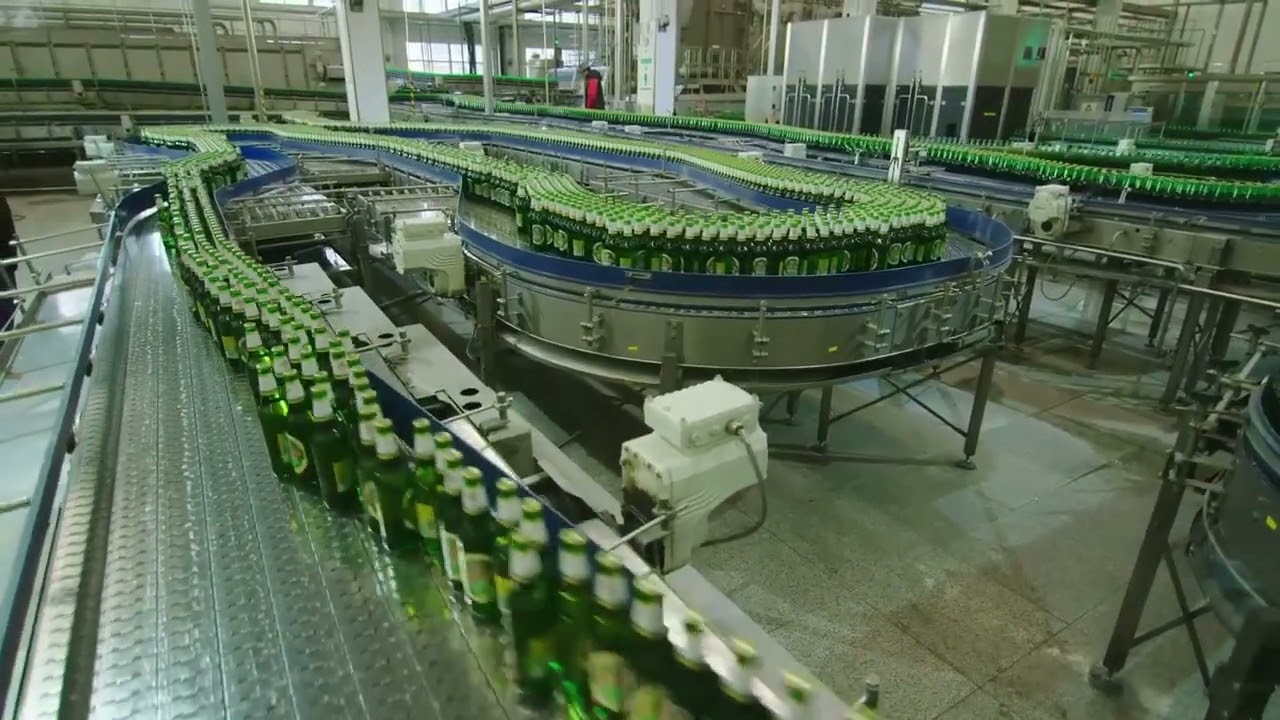
Before ordering beer brewing equipment, verify the production target, usable vessel volume, batch schedule, tank dimensions, floor loading, electrical supply, water flow, heating source, glycol capacity, CIP method, sanitary fabrication, controls, and installation route. A 20 BBL brewhouse, for example, does not define actual output unless the brewery also has enough fermentation space and cooling capacity. A practical specification should state working volume, batch time, utility demand, pressure rating, stainless-steel grade, connection sizes, automation level, and included accessories. Allowing 10–20% spare capacity in selected utilities can also help accommodate normal production changes, but oversizing every system can increase capital and operating costs.
The first figure to establish is usable production volume. Equipment suppliers often quote a vessel by nominal capacity, while the brewery operates below that figure because of headspace, foam, grain volume, process losses, and transfer requirements. For example, a 20 BBL vessel may be designed around a 24 BBL total volume and operated at about 80–85% working fill, depending on the vessel and process.
| Item | Example specification |
|---|---|
| Brewhouse nominal output | 20 BBL |
| Approx. nominal liquid volume | 620 gal |
| Planned working fill | 80–85% |
| Fermentation residence | 7–21 days |
| Utility allowance | 10–20% |
The production model has to continue into the cellar. If the brewery makes four 20 BBL batches per week and an average beer occupies a fermenter for 14 days, the tank requirement is governed by weekly production multiplied by residence time, plus cleaning and scheduling time. A simplified planning example gives 80 BBL entering fermentation each week; two weeks of residence already represent about 160 BBL of active fermentation capacity before cleaning intervals and product variation are considered.
“Size the cellar from the brewing schedule, not from the brewhouse label.”
That relationship affects vessel count, tank diameter, glycol piping, pump selection, and floor space, so building measurements should be checked before the supplier freezes fabrication drawings. A 2026 site survey should record door openings, ceiling height, beam locations, elevator dimensions, access corridors, and the route from receiving area to final installation point. For tall fermenters, the available height during upright installation can differ substantially from the operating height once the vessel is standing.
The same site survey should record structural information. A tank holding 2,000 L of liquid contains roughly 2,000 kg of liquid mass before adding stainless steel, insulation, fittings, platforms, and piping. Four such tanks can therefore place more than 8,000 kg of liquid in one area. The structural review should consider both average floor loading and concentrated loads at tank legs. Drain locations also need to match vessel outlets and cleaning procedures; a brewery using 10,000–20,000 L of wash water during a busy production day needs drainage that can handle the actual flow rather than a nominal connection shown on a sales drawing.
Utilities deserve the same level of detail. Electrical specifications should list voltage, phase, frequency, connected load, control voltage, breaker requirements, motor data, and VFD requirements. A system designed around 480 V/60 Hz cannot simply be treated as interchangeable with a 400 V/50 Hz installation. Heating loads also vary widely: an electric brewhouse may require hundreds of kilowatts at production scale, while a steam system requires an appropriately sized boiler, steam supply, condensate management, and safety equipment. The final specification should state the design load in kW or steam capacity rather than simply saying “electric heating” or “steam heating.”
Cooling needs a separate calculation because fermentation tanks may cool at the same time. A brewery with 8 fermenters does not necessarily need a chiller sized for eight full cooling loads at every moment, but it does need a design based on the expected peak simultaneous demand. For planning, calculate the wort cooling load, fermentation heat removal, beer temperature-control requirements, glycol temperature, ambient conditions, piping loss, and future tank allowance. A 10–15% design allowance may be reasonable for some installations, but the supplier should show the calculation instead of adding an arbitrary percentage.
Water specifications should include pressure and flow, not just a pipe diameter. Brewing may use water for mashing, sparging, wort production, CIP, rinsing, and floor cleaning. A brewery consuming 5,000 L of process and cleaning water per production day has a very different supply requirement from one using 20,000 L. Water chemistry also matters because hardness, alkalinity, chlorine, and other characteristics can affect beer production and cleaning. The treatment system should therefore be selected from an actual laboratory water report dated within a useful period, rather than from a generic regional assumption.
The hygienic design of the equipment should be checked at drawing level. FDA guidance describes food-contact surfaces as needing to be corrosion-resistant, durable, smooth, relatively non-absorbent, and easily cleanable, with open seams and difficult-to-clean features minimized. For brewery vessels, inspect internal welds, surface finish, gasket locations, valve bodies, spray devices, manways, sample ports, and dead-leg areas. The product-contact path deserves more attention than exterior polishing.
Welding and surface treatment should be documented in the purchase specification. Ask whether product-contact areas are fabricated from 304 or 316 stainless steel where appropriate, how welds are finished, what passivation process is used, and whether pressure or leak testing is documented. FDA food-processing guidance also recommends materials that remain compatible with the product, detergents, and sanitizing chemicals, while avoiding crevices that can retain residues. A quotation that specifies “stainless steel tank” without grade, thickness, finish, weld treatment, and pressure rating leaves several practical details unresolved.
CIP design should be tested against the vessel geometry rather than accepted from a generic equipment list. Spray-ball or rotary cleaning devices must provide suitable coverage, while the CIP pump needs enough flow and pressure for the selected vessel and piping arrangement. A brewery cleaning three 20 BBL vessels in sequence has a different CIP schedule from a brewery cleaning 10 tanks across a production day. The cleaning system should state caustic concentration, temperature range, circulation flow, return arrangement, tank volume, and chemical-contact materials where those parameters form part of the operating procedure.
Piping and valves should be specified in a similar way. Product lines may require sanitary tubing with defined diameters, fittings, valve types, sample ports, pressure gauges, temperature sensors, and drain points. A 1.5-inch line and a 3-inch line can support very different transfer rates, and increasing pipe diameter changes pump selection and cleaning behavior. The supplier should provide a P&ID showing pumps, valves, sensors, tanks, utility lines, and flow direction so the brewery can review the complete process rather than isolated equipment pictures.
Controls should match the staff and process. A basic system may use manual valves and local temperature controllers, while a larger operation may need PLC control, HMI screens, automated valves, recipe management, data recording, VFDs, and alarm handling. Specify the PLC and HMI brands, sensor types, VFD models, panel enclosure rating, and spare I/O capacity. A 10–20% spare I/O allowance can provide room for later additions without replacing the control cabinet, provided the panel and software architecture support the expansion.
Raw-material handling also belongs in the equipment review. Grain milling creates dust, and OSHA identifies combustible grain dust as a fire and explosion hazard under suitable conditions. Review mill location, dust extraction, grain transfer, storage capacity, housekeeping, grounding, and applicable local requirements. A brewery processing 500 kg of malt per brew and running four brews in a day handles about 2,000 kg of dry material; the grain system has to support that volume without creating manual handling steps that conflict with the production schedule.
CO₂ and compressed air systems need specification as well. Fermentation, carbonation, tank purging, pneumatic valves, packaging, and beer transfers can all consume gas. List required purity, pressure, flow, storage capacity, regulators, filters, and connection standards. For a packaging line running 2,000 cans per hour, for example, a gas system designed around occasional cellar use may not provide the same pressure stability or reserve capacity. The supplier should identify simultaneous gas demand and the expected operating pressure at each major user.
Packaging connections should be reviewed before the cellar equipment is finalized. The bright beer tank outlet, carbonation equipment, beer transfer pump, hoses, fittings, and filler inlet must use compatible sanitary connections and operating pressures. The Brewers Association continues to publish technical guidance covering draught-system components, cleaning, sanitation, gas dispense, balance, and related beer-quality practices. If kegging, canning, and bottling are all planned, draw each product route separately and identify where beer temperature, pressure, filtration, carbonation, or flow requirements change.
Shipping and installation need written responsibilities. Check whether the quotation includes export packing, inland freight, unloading, rigging, installation, electrical work, refrigeration connections, steam connections, commissioning, operator training, and travel costs. A tank may be fabricated correctly but still become difficult to install if the rigging route was never verified. For a 6 m-high vessel, a few hundred millimeters of missing clearance can affect the lifting method, so final dimensions should be compared with the site drawing before fabrication begins.
Finally, review the commercial specification line by line. Record vessel volume, working volume, dimensions, material grade, thickness, design pressure, test pressure, heating power, cooling capacity, motor ratings, pump curves, electrical data, fittings, valves, sensors, control components, spare parts, warranty period, documentation, and commissioning scope. For a project ordered in 2026, keep the approved equipment drawings, P&ID, electrical drawings, utility schedule, packing list, and revision history together; a single change in vessel height or connection location can affect several downstream systems.
A suitable purchase specification should allow an engineer to answer five numbers without guessing: planned batch volume, weekly output, peak utility demand, installed equipment footprint, and required working pressure.
The final supplier comparison can be kept to a simple technical table:
| Check | What to verify |
|---|---|
| Capacity | Working volume, not nominal volume |
| Production | Batches/week and residence time |
| Utilities | kW, steam, water flow, glycol demand |
| Construction | Steel grade, thickness, weld finish |
| Sanitation | CIP coverage, drainability, cleanable surfaces |
| Installation | Height, width, access route, floor loading |
| Controls | PLC, HMI, sensors, VFDs, spare I/O |
| Commercial scope | Shipping, commissioning, warranty, spares |
For a brewery planning 100–200 BBL per week, a supplier proposal should be reviewed against the full process chain rather than the brewhouse capacity alone. The brewer should be able to trace grain from intake to milling, wort from the kettle through heat exchange, beer through fermentation and conditioning, and finished product into the packaging system. A properly specified hgmc brew system should therefore be judged by measurable operating parameters, documented materials, site compatibility, utility requirements, cleaning design, and service scope rather than by vessel appearance or nominal capacity.